


Sky_Blue
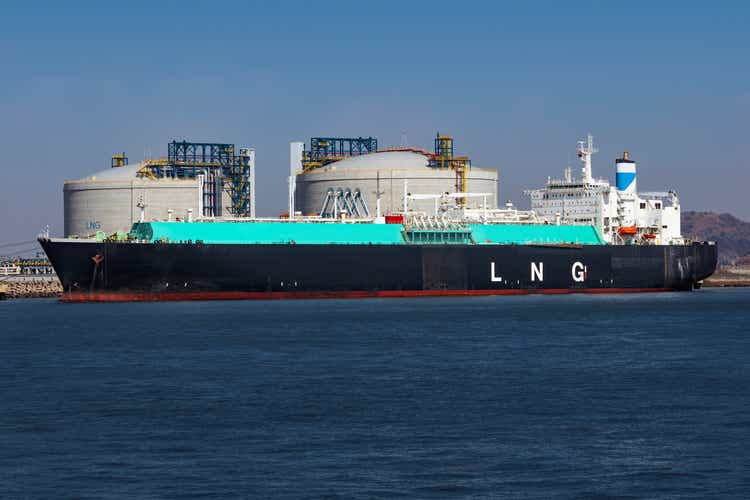
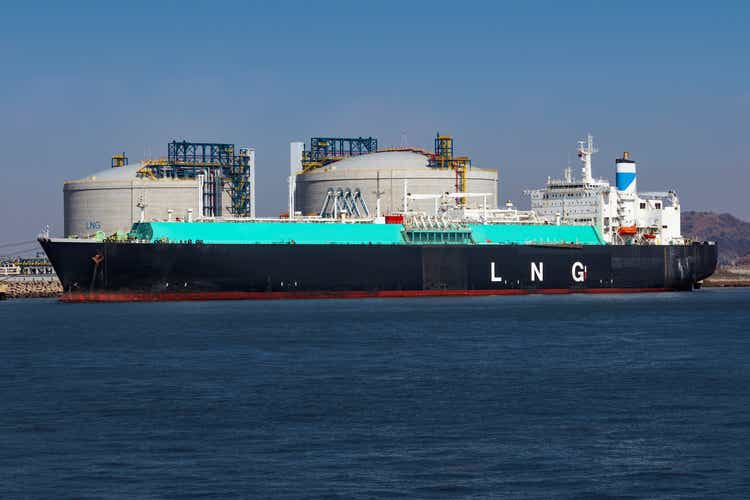
Stopping or slowing the approval of U.S. liquefied natural gas exports would endanger U.S. allies in Europe and Asia, the American Petroleum Institute said Wednesday at its annual gathering in Washington.
API President Mike Sommers issued the warning in response to recent reports the Biden administration is considering whether to factor climate change criteria in approvals for LNG terminals or expansions.
“The continued signals from this administration and the policies they are pursuing – we have real concerns that is sowing the seeds for the next energy crisis,” Sommers told Bloomberg in an interview.
The API advocates faster permitting of energy projects, including licenses to broadly export liquefied natural gas around the world, and more opportunities to pursue production on federal lands.
The group is launching a new advocacy campaign highlighting the importance of American oil and natural gas to the economy.
Energy stocks (NYSEARCA:XLE) were easily the largest decliner among S&P sectors Wednesday, -1%, sliding alongside crude oil prices after the Energy Information Administration reported an unexpected 1.3M-barrel build in U.S. crude stocks last week, as well as larger than expected increases in gasoline and distillates inventories.
Front-month Nymex crude oil (CL1:COM) for February delivery settled -1.2% to $71.37/bbl, while front-month March Brent crude (CO1:COM) closed -1% to $76.80/bbl.
Meanwhile, U.S. natural gas futures fell for the first time in seven sessions following the previous day’s jump to a two-month high, with natgas (NG1:COM) for February delivery ending -4.7% at $3.039/MMBtu.
ETFs: (NYSEARCA:USO), (BNO), (UCO), (SCO), (USL), (DBO), (DRIP), (GUSH), (NRGU), (USOI), (UNG), (BOIL), (KOLD), (UNL), (FCG)
Earlier in the day, oil futures had rallied nearly 2% after Iran-backed Houthi rebels launched more attacks on merchant vessels in the Red Sea, although no injuries or damage were reported.

