


Douglas Rissing
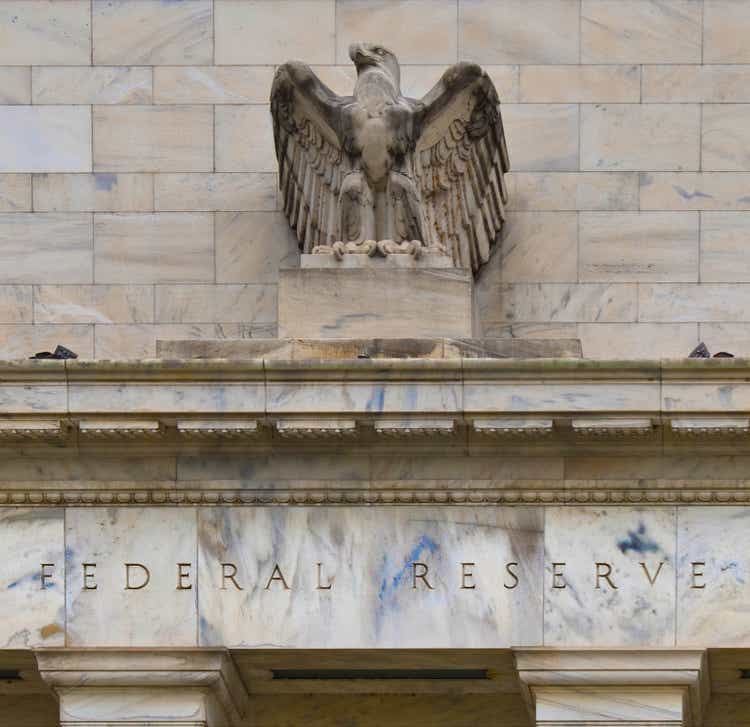
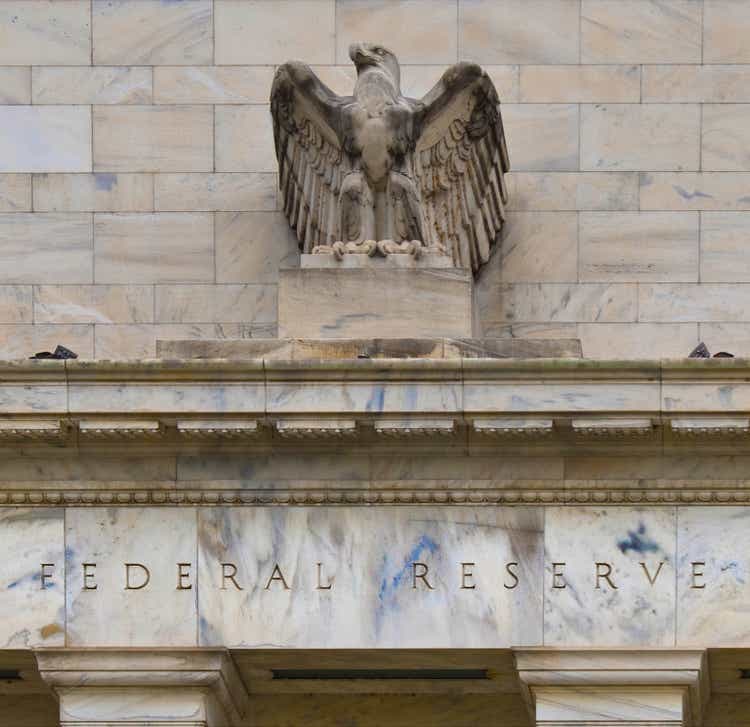
The May jobs report isn’t making the Federal Reserve’s June policy decision any easier.
Several Federal Reserve officials have said they’re leaning toward not hiking rates at the meeting to allow them more time to assess the impacts of the 5 percentage points of rate hikes they already implemented. A couple are more inclined to vote for another 25-basis-point rate hike.
Then the May jobs report gave off mixed signals, with the number of jobs added coming in hotter than expected, while the unemployment rate increased to 3.7% from 3.4% in April.
As of Friday, markets were still pricing in a pause, with a 70.1% probability of keeping the federal funds rate target range at 5.00%-5.25%, according to the CME FedWatch tool. The likelihood of a 25-bps hike, at 29.9%, isn’t negligible.
For the July meeting, the probability that the rate will be at the 5.25%-5.50% increased to 51.8% from 45.4% on Thursday. And the probability that it will increase to 5.50%-5.75% jumped to 16.3% from 8.6% a day earlier.
Hawkish Pause: Management consulting firm RSM US LLP continues to expect a pause in June, but it’s not seeing that as a dovish move. Up until recently, most investors had expected that once the Fed stopped raising rates, its next rate move would be a cut. That may not be the case.
It’s “what the market is pricing for — a hawkish pause in June and the possibility for more hikes in July and the meeting afterward,” said RSM US Economist Tuan Nguyen.
Recent comments of several prominent FOMC members backs that up, especially Fed Governor Philip Jefferson, who reiterated last week the message of forgoing an increase at the June meeting.
“This decision allows the Fed additional time to assess the lagging effects of tightening monetary policy on the real economy. Given the heightened uncertainties surrounding economic activities, especially within the financial market, we find this to be a reasonable assessment,” Nguyen said.
There are other factors that can also support the scenario for skipping a hike, especially with the Treasury set to restart bond sales as the debt limit has been suspended. “Concerns regarding banking stress and rising bond yields, as the Treasury is poised to flood the market with hundreds of billions in new issues, are likely to resemble a 25-basis point hike,” Nguyen explained. “So, in a sense, the market will continue to tighten even if the Fed skips its June hike.”
And, if the policymakers do decide to hold pat on rates in a week and a half, what Fed Chair Jerome Powell says in his press conference after the policy decision will indicate whether it’s a “hawkish pause” or a “normal pause,” Nguyen said.
All Options Open: Evercore ISI strategist Krishna Guha said the blowout jobs number leaves “all options open” for the Fed in June, but Evercore still leans toward a pause at the next meeting followed by a 25-bp hike in July if the economy doesn’t show more signs of cooling by then.
The disagreement between the number of jobs added, which comes from the Labor Department’s establishment survey, and the unemployment rate, which comes from its household survey, “offers a rationale for skipping June,” Guha wrote in a note to clients. Such a mismatch isn’t uncommon during economic turning point, he noted.
“We do think the probability of a hike by July continues to rise, and we have our base case under review, but we will not rush into a new July hike base case, as a skip could morph into a pause if the data cools,” Guha said.
Forge On: Interactive Brokers Senior Econmist José Torres, though, expects the Fed to continue its rate hike path at the June meeting. Strong payroll job gains and wage increases support inflation hawks. Meanwhile, job losses for the self-employed, additions to the labor force, an increasing unemployment rate, and a shorter workweek fuel the inflation doves’ argument, he said.
On balance, the data from the last few weeks points to another 25-bp hike, Torres recently wrote. And if that does happen, expect a repricing in equities and fixed income as markets currently expect a pause in June and a hike in July, he said.
“I think a pause followed by a hike would be misleading and may lead to an unwarranted loosening of financial conditions, which could threaten a fresh burst of inflationary pressures,” he added.
Whichever choice the Fed makes, it will be a tough call.
One more major data point, the May Consumer Price Index, comes out on June 13, which may cause the Fed officials scuttle their pause plans if inflation comes in too hot.
RSM’s Nguyen urges caution: “As the policy rate is at or very close to its peak, now is the time for the Fed to treat the increasingly delicate economy with a much more subtle approach in order to steer it towards a soft landing.”

